

Office Address
11250 Fulton St E
Lowell, MI 49331

Healing Ligament and Tendon Injuries With PRP in Dogs and Cats
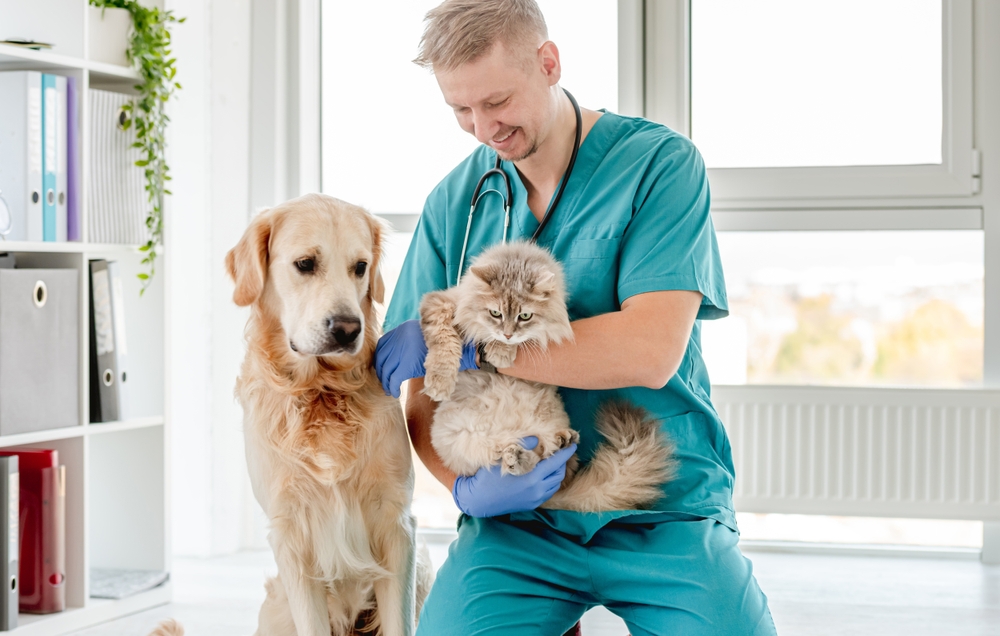
Ligament and tendon injuries can make it painful for dogs and cats to walk, run, jump, or move comfortably. These injuries may happen suddenly after a slip or fall, or they may develop over time from aging, repetitive strain, arthritis, or previous joint problems.
At Arrow Veterinary Clinic, we know how frustrating it can be to see your pet limping, slowing down, or avoiding normal activities. When healing is slow or inflammation continues, PRP therapy may be one option we discuss as part of a personalized treatment plan.
What Is PRP Therapy?
PRP stands for platelet-rich plasma. This treatment uses a sample of your pet’s own blood, which is processed to concentrate the platelets. Platelets contain natural growth factors that support tissue repair and help the body’s healing response.
Because PRP comes from your pet’s own body, it is considered a regenerative therapy. For some dogs and cats, PRP may be used to support healing in injured ligaments, tendons, joints, or soft tissues.
How PRP May Help Ligament and Tendon Healing
Ligaments and tendons do not always heal quickly because they often have limited blood supply. PRP is designed to deliver concentrated healing components directly to the affected area, where they may help reduce inflammation and support tissue repair.
PRP therapy may be recommended for pets dealing with soft tissue injuries, chronic discomfort, or mobility concerns that are not improving as expected. It may also be used along with other treatments, depending on the severity of the injury and your pet’s overall health.
Signs Your Pet May Have a Ligament or Tendon Injury
Some injuries are obvious right away, while others are more subtle. Pets often hide pain, so changes in movement or behavior are important to watch for.
Signs of a possible ligament or tendon injury may include:
- Limping or favoring one leg
- Stiffness after rest or exercise
- Trouble getting up, climbing stairs, or jumping
- Swelling around a joint or limb
- Sensitivity when touched
- Less interest in walks, play, or normal activity
If you notice these changes, a veterinary exam can help determine the cause and whether PRP or another treatment option may be appropriate.
PRP For Dogs And Cats
PRP therapy is often discussed for active dogs, senior pets, pets with orthopedic concerns, and pets recovering from soft tissue injuries. While it is more commonly used in dogs, some cats may also benefit depending on the diagnosis and their ability to tolerate treatment.
Every pet is different. Before recommending PRP, we evaluate your pet’s symptoms, medical history, mobility, pain level, and the specific area of concern. Our goal is to create a plan that supports comfort, healing, and long-term function.
What To Expect From A PRP Consultation
A PRP consultation starts with a thorough exam. We may recommend diagnostics to better understand the injury and rule out other causes of pain. From there, we can explain whether PRP therapy is a good fit, what the process involves, and whether it should be combined with rest, medication, rehabilitation, weight management, or other supportive care.
At Arrow Veterinary Clinic, we focus on practical guidance and clear communication so you can make informed decisions about your pet’s care.
To learn more about PRP for ligament and tendon injuries in dogs and cats, contact Arrow Veterinary Clinic in Lowell, MI by calling (616) 897-8484.


Office hours

- Monday 8:00 am – 5:00 pm
- Tuesday 8:00 am – 5:00 pm
- Wednesday 8:00 am – 6:00 pm
- Thursday 8:00 am – 5:00 pm
- Friday 8:00 am – 5:00 pm
- Saturday Closed
- Sunday Closed
© 2026 Arrow Veterinary Clinic. All rights Reserved | Accessibility Statement | Privacy Policy | Sitemap
Powered by: