


Office Address
11250 Fulton St E
Lowell, MI 49331

Parasite Prevention: The Differences Between Heartworm, Roundworm & Tapeworm
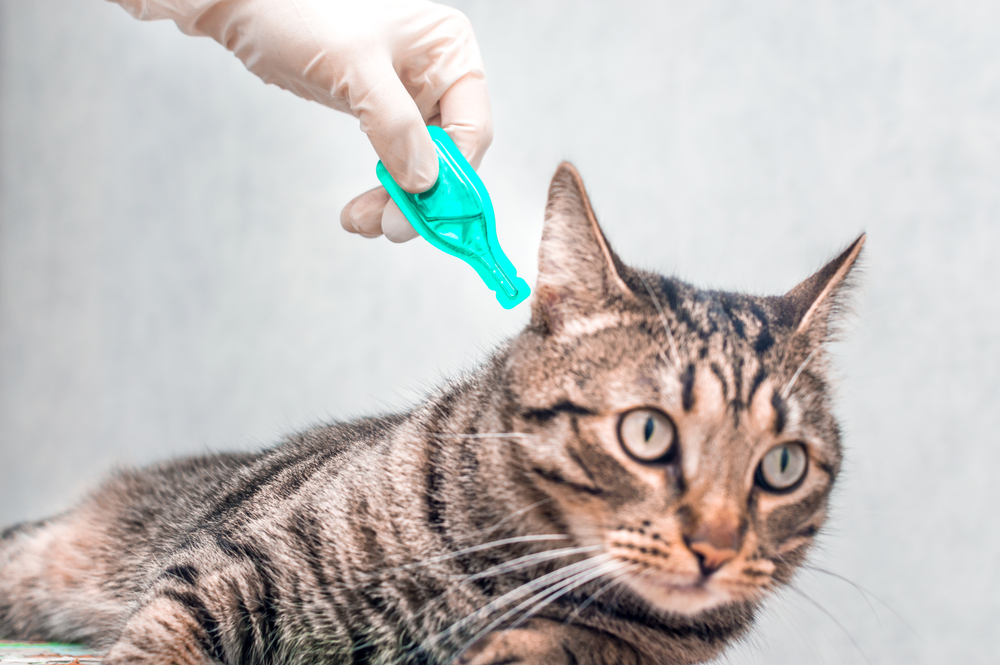
Parasites are more than just an unpleasant inconvenience for pets - they can pose serious health risks if left untreated. Three of the most common parasites affecting dogs and cats are heartworms, roundworms, and tapeworms. While they are often grouped together, each parasite is very different in how it spreads, the symptoms it causes, and the type of prevention required.
What Is Heartworm Disease?
Heartworm disease is a potentially life-threatening condition caused by parasitic worms that live in the heart, lungs, and blood vessels of infected pets. Unlike intestinal worms, heartworms are transmitted exclusively through mosquito bites. When a mosquito bites an infected animal, it picks up microscopic heartworm larvae. Those larvae are then passed to another pet through a subsequent bite, where they mature over several months.
In early stages, pets may show no obvious symptoms. As the disease progresses, signs may include:
• Persistent coughing
• Fatigue or reluctance to exercise
• Difficulty breathing
• Weight loss
• In severe cases, heart failure
Heartworm disease is far easier and safer to prevent than to treat. Monthly heartworm preventatives protect pets by stopping larvae before they mature into adult worms.
Understanding Roundworms
Roundworms are one of the most common intestinal parasites in pets, especially puppies and kittens. They live in the intestines and feed on partially digested food.
Pets can become infected by:
• Ingesting contaminated soil or feces
• Nursing from an infected mother
• Swallowing roundworm eggs from the environment
Symptoms may vary but can include:
• Pot-bellied appearance in young pets
• Vomiting or diarrhea
• Weight loss despite a normal appetite
• Dull coat or poor growth
Roundworms are not only harmful to pets but can also pose a risk to humans, particularly young children, if proper hygiene is not followed.
What Are Tapeworms?
Tapeworms are flat, segmented worms that attach to the lining of a pet’s intestines. They are most commonly associated with flea infestations. Pets become infected when they swallow an infected flea while grooming. Once inside the digestive tract, the tapeworm matures and begins producing segments.
Many pets show minimal symptoms, but signs may include:
• Small, rice-like segments around the anus or in stool
• Scooting or licking the rear
• Mild digestive upset
Effective flea control plays a major role in preventing tapeworm infections. Targeted deworming treatments are also necessary to fully eliminate the parasite.
Why Parasite Prevention Is So Important
Each of these parasites requires a different prevention and treatment approach. A single product may not protect against all parasites, which is why customized preventive care is essential. Regular veterinary exams, routine fecal testing, and consistent use of recommended preventatives help protect your pet’s health and prevent the spread of parasites.
Get Expert Guidance on Parasite Prevention at Arrow Veterinary Clinic
Heartworms, roundworms, and tapeworms may all fall under the category of parasites, but they affect pets in very different ways. Understanding how these parasites spread and recognizing the importance of prevention can make a significant difference in your pet’s long-term health. With the right preventive plan in place, many of these infections are entirely avoidable.
If you have questions about parasite prevention or want to ensure your pet is on the right preventive plan, the team at Arrow Veterinary Clinic is here to help. Visit our office in Lowell, Michigan, call (616) 737-0100, or text (844) 384-5470 to book an appointment today.


Office hours

- Monday 8:00 am – 5:00 pm
- Tuesday 8:00 am – 5:00 pm
- Wednesday 8:00 am – 6:00 pm
- Thursday 8:00 am – 5:00 pm
- Friday 8:00 am – 5:00 pm
- Saturday Closed
- Sunday Closed
© 2026 Arrow Veterinary Clinic. All rights Reserved | Accessibility Statement | Privacy Policy | Sitemap
Powered by: