


Office Address
11250 Fulton St E
Lowell, MI 49331

PRP vs. Traditional Treatments: Which Is Right for Your Pet?
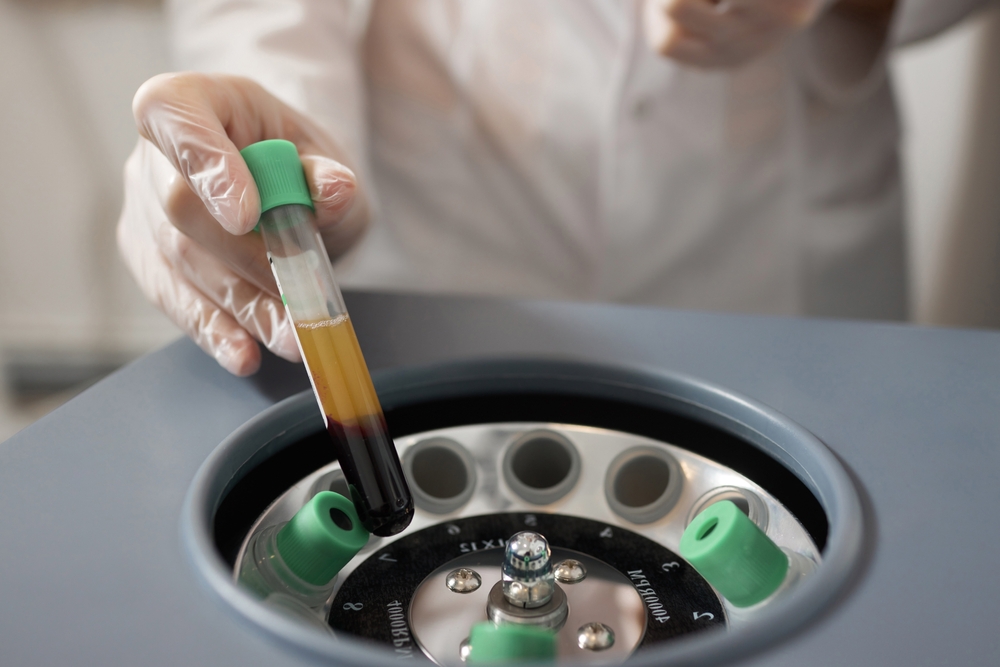
When a pet is dealing with pain, slow healing, or joint problems, many owners start comparing PRP therapy with more traditional veterinary treatments. Both options can play an important role, but the right choice depends on your pet’s condition, age, lifestyle, and overall health. Understanding how each approach works can help you make a more informed decision with your veterinarian. PRP stands for platelet-rich plasma. This regenerative medicine treatment uses a sample of your pet’s own blood, which is processed to concentrate the platelets. Those platelets contain growth factors that may support tissue repair and healing. PRP is often considered for pets with joint injuries, ligament damage, osteoarthritis, and some soft tissue conditions. Because PRP comes from your pet’s own body, it is designed to work with natural healing rather than simply covering up symptoms. Traditional treatments remain the foundation of veterinary care for many conditions. Depending on the issue, these may include anti-inflammatory medication, pain relief, rest, weight management, rehabilitation, laser therapy, or surgery. These options are often effective, especially when a pet needs fast symptom control or when the problem is advanced. In many cases, traditional care helps reduce discomfort while also improving mobility and day-to-day function. The biggest difference is the goal of treatment. Traditional therapies often focus on managing pain and inflammation. PRP therapy is aimed at supporting healing in damaged tissue. Here are a few points pet owners often consider: PRP may be useful for promoting recovery in certain orthopaedic and soft tissue cases Traditional treatments may provide quicker short-term symptom relief PRP is typically less invasive than surgery Medication and rehabilitation are often easier to begin right away Some pets benefit most from a combination of both approaches PRP may be worth discussing if your pet has a chronic injury, mild to moderate joint disease, or a condition that has not responded as well as hoped to standard treatment alone. It can also appeal to owners looking for a more regenerative option before moving to surgery. That said, PRP is not ideal for every pet or every diagnosis. A full exam and proper diagnostics are important before deciding whether it is appropriate. Traditional treatment may be the better option when a pet needs immediate pain control, has a severe injury, or requires a well-established care plan with predictable short-term results. Surgery may still be the best route for structural problems that cannot heal properly on their own. For many pets, traditional care is not an alternative to PRP - it is part of a broader treatment plan that may still include regenerative medicine. There is no one-size-fits-all answer when comparing PRP vs. traditional treatments for pets. The best plan depends on the diagnosis, severity of the condition, expected recovery, and your pet’s comfort level. A veterinary team can help you weigh the benefits, limitations, and timing of each option so you can choose care that supports both healing and quality of life. To learn whether PRP or traditional treatment is right for your pet, contact Arrow Veterinary Clinic in Lowell, MI by calling (616) 737-0100.
What PRP treatment does
How traditional treatments help
Key differences between the two
When PRP may be a good fit
When traditional treatment may be better
Choosing the right plan for your pet


Office hours

- Monday 8:00 am – 5:00 pm
- Tuesday 8:00 am – 5:00 pm
- Wednesday 8:00 am – 6:00 pm
- Thursday 8:00 am – 5:00 pm
- Friday 8:00 am – 5:00 pm
- Saturday Closed
- Sunday Closed
© 2026 Arrow Veterinary Clinic. All rights Reserved | Accessibility Statement | Privacy Policy | Sitemap
Powered by: