


Office Address
11250 Fulton St E
Lowell, MI 49331

Winter Trail Safety for Kent County Dogs: Protecting Paws from Ice, De-Icer, and Hidden Ticks
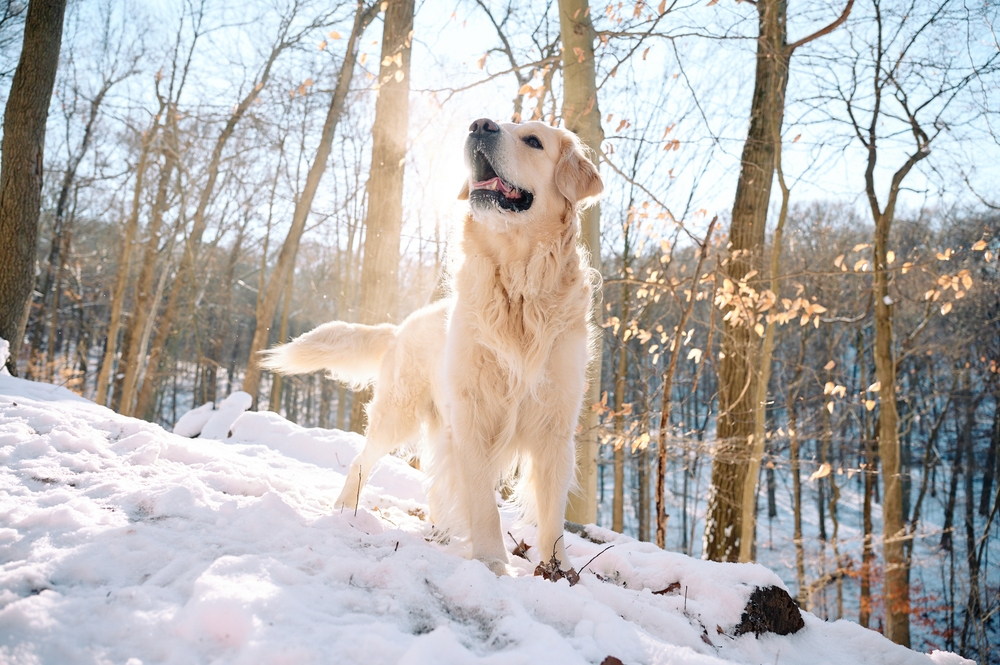
Winter walks are a great way to keep dogs active, but cold weather can introduce unexpected hazards. From icy trails to chemical de-icers and lingering ticks, winter conditions can put your dog's health at risk. At Arrow Veterinary Clinic in Lowell, MI, we want Kent County pet owners to understand these seasonal dangers and take steps to keep their dogs safe during outdoor adventures.
Protecting Your Dog's Paws from Ice and Snow
Snow-covered trails may look inviting, but prolonged exposure to freezing temperatures can irritate your dog's paw pads. Ice can also collect between the toes, causing discomfort, while sharp, frozen surfaces may lead to cuts or abrasions.
Dogs walking along trails in Lowell and throughout Kent County may encounter packed snow, slippery surfaces, and hidden ice patches.
To protect your dog's paws during winter walks, we recommend:
Use protective booties: Dog boots provide a barrier against ice, snow, and rough surfaces.
Trim excess paw fur: Keeping fur between the paw pads neatly trimmed can reduce snow and ice buildup.
Apply paw balm: Veterinarian-approved paw products can help protect against dryness and irritation.
Check paws after walks: Look for redness, cracks, cuts, or ice trapped between the toes.
Limit exposure during extreme cold: Shorten outdoor activities when temperatures become dangerously low.
If your dog begins limping, lifting their paws, or refusing to walk, move them to a warmer environment and examine their feet.
The Hidden Dangers of Sidewalk De-Icers
Ice-melting products are commonly used on sidewalks, parking lots, and walking paths throughout Kent County. Unfortunately, some de-icers contain chemicals that can irritate a dog's paw pads or cause illness if swallowed.
Dogs may accidentally ingest these substances when licking their paws after a walk. Depending on the ingredients and amount consumed, exposure can cause drooling, vomiting, diarrhea, or more serious complications.
We recommend wiping or rinsing your dog's paws with lukewarm water after winter outings, especially when walking through treated areas. Dry their feet thoroughly before heading indoors.
If you suspect your dog has ingested de-icing chemicals, contact a veterinarian promptly.
Can Dogs Still Get Ticks During Winter?
Many pet owners assume ticks disappear once temperatures drop. However, certain tick species, including blacklegged ticks, can remain active during winter whenever conditions become warm enough.
In Michigan, ticks may emerge during mild winter days, particularly in wooded areas, brush, and leaf-covered trails.
Dogs exploring outdoor spaces around Lowell and Kent County can encounter ticks even when snow remains on the ground.
After winter walks, inspect your dog's ears, neck, armpits, belly, and between the toes. If you find a tick, remove it promptly using fine-tipped tweezers or a tick-removal tool.
At Arrow Veterinary Clinic, we also recommend discussing year-round tick prevention with our veterinary team to help protect your dog against tick-borne illnesses.
When to Seek Veterinary Care After a Winter Walk
Not every winter-related problem is immediately noticeable. Paw injuries, chemical irritation, and tick exposure can sometimes cause symptoms after your dog returns home.
Watch for persistent limping, excessive paw licking, swelling, unusual fatigue, or changes in appetite. If your dog shows concerning symptoms, our veterinary team can evaluate their condition and recommend appropriate care.
Keep your dog healthy and ready for every season. Contact Arrow Veterinary Clinic in Lowell, MI, at (616) 737-0100 to schedule an appointment and learn more about winter paw protection, tick prevention, and preventive veterinary care.


Office hours

- Monday 8:00 am – 5:00 pm
- Tuesday 8:00 am – 5:00 pm
- Wednesday 8:00 am – 6:00 pm
- Thursday 8:00 am – 5:00 pm
- Friday 8:00 am – 5:00 pm
- Saturday Closed
- Sunday Closed
© 2026 Arrow Veterinary Clinic. All rights Reserved | Accessibility Statement | Privacy Policy | Sitemap
Powered by: